The Problem behind the Problem below the Problem

Dan Hoffman
August 15, 2026
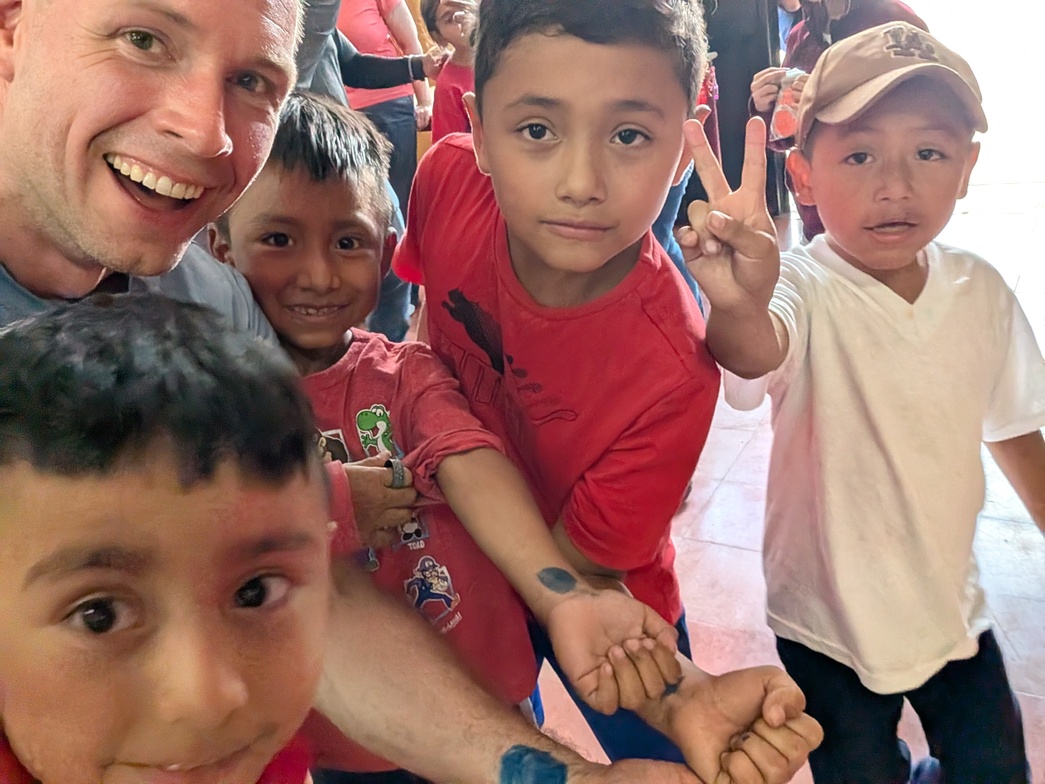
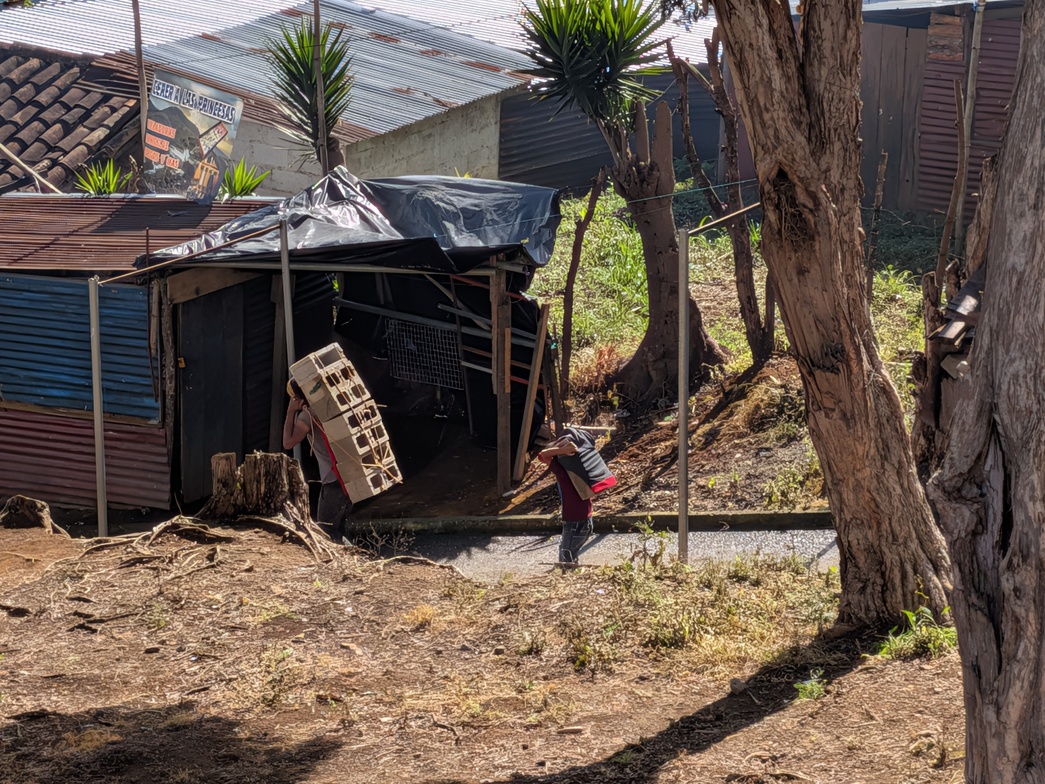

When you first show up in a place like Tactic, Guatemala, the differences between this world and the one we are familiar with are glaringly obvious. Five-year-olds back home don't work long hours carrying bricks while sporting smiles full of black teeth. But they do here.
.
And when you look at situations like this, it immediately makes you think "how can we fix this?"
.
While our go-to surface level solutions will fix surface level problems, a little reflection will quickly expose that these solutions can't address the most deeply rooted problem which itself lies behind a problem which lies below another problem.
.
So how do we find the root problem?
.
One way is to ask "why" seven layers deep. For example, it's easy to be rattled by children living in poverty. But first we ask why are they living in poverty? Well it's because they have no education. Then we ask why is education such a rare commodity? Well it's because compared to other Central American countries the Guatemalan government invests one of the lowest percentages of its GDP into public social spending. Why? Because the wealth disparity between the rich and the poor is extreme here with the top 2.5% owning more than 65% of the agricultural land and industry. And why is that? Well it's because Guatemala is still recovering from centuries of colonial exploitation civil war which have solidified this divide.
...
Now secular western society likes to stop here and say colonialism is the problem (we do the same thing in Canada). But for Jesus followers we know that there are reasons behind colonialism too. And if you keeping asking "why" and follow the problems back further, you arrive at things like greed and the lust for power. Eventually you find that the root for every problem originates in Genesis 3.
.
Sin, separation from God, is the root of the problem.
.
And if sin is the problem, then the solution can't just be schools or feeding programs or governmental reform. All those things are great, but they can only put a bandaid on the wound. The real solution is an encounter with the One who forgives sin and restores what the enemy has stollen (Joel 2:25).
.
Now this raises another interesting point. On this trip we have constantly been bumping into witchcraft. In Guatemala if someone in your family is sick or your business is failing you pay a witch doctor for help.
.
Now Canadians would never do this. We would go to a doctor or a business consultant. Why? Because we believe physical and financial problems have physical and financial solutions.
.
Guatemalans, on the other hand, believe physical and financial problems have spiritual roots.
.
Now here is the irony. In Canada we are used to solving our problems ourselves with science. The Guatemalans are used to solving their problems with witchcraft. But both of us are doing the same thing - we are solving our problems ourselves rather than going to Jesus.
.
This is why a ministry like Impact is so powerful. They aren't simply trying to medicate poverty or illiteracy, they are making the connection between the problem everyone sees and the solution everyone needs.
.
This week has been a real eye-opening experience. We've rubbed shoulders with some of the spiritual sources of oppression that have held Guatemala in bondage (any spiritual solution that doesn't point to Jesus results in chains), but we've also been challenged to think about the idolatry back home that is alot harder for us to see.
.
My prayer for all of us today is this:
.
"Oh God, while the makers of the idols become deaf and blind like the gods they make (Ps 115:8), You are the God who creates eyes that see and ears that hear (Matt 13:16). Open our eyes to see where You are at work here in Guatemala so we can partner with what You are doing, and open our eyes to our own idols back home. We want to cast them off so we can live in the abundant life of freedom You want for all Your children."